Burundi
Burundi – The Heart of Africa
Burundi, a small yet captivating country in East Africa, is known for its rolling hills, sparkling lakes, and rich cultural traditions. Often called the “Land of a Thousand Hills,” it offers authentic African charm without the heavy tourist crowds.
Altitude
- Mostly highland; average altitude is around 1,500 meters (4,921 ft) above sea level.
- Highest point: Mount Heha at 2,670 meters (8,760 ft).
Distance from Airport / Railway Station
- Main International Airport: Melchior Ndadaye International Airport (BJM) – ~8 km (15 min) from Bujumbura city center.
- No railway system; travel is by road and boat.
Best Time to Visit
- June to August – Cool, dry season, perfect for sightseeing and outdoor activities.
- December to February – Short dry season with pleasant weather.
Top Attractions
- Lake Tanganyika – One of the world’s deepest and oldest lakes.
- Rusizi National Park – Hippos, crocodiles, and birdlife.
- Gitega – Burundi’s cultural capital and home to the National Museum.
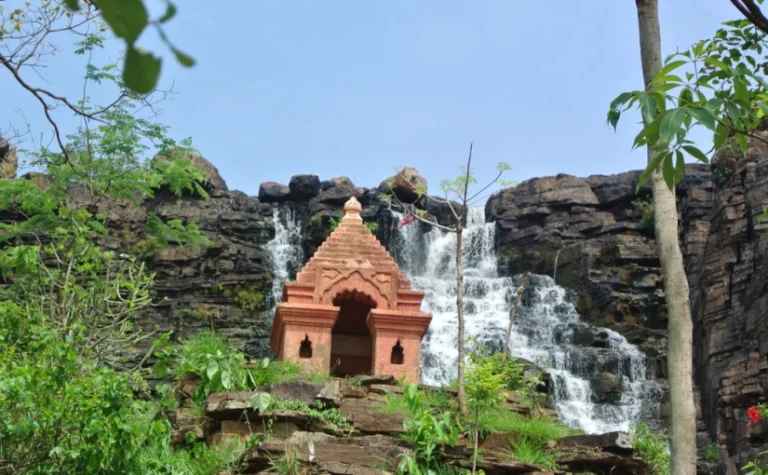
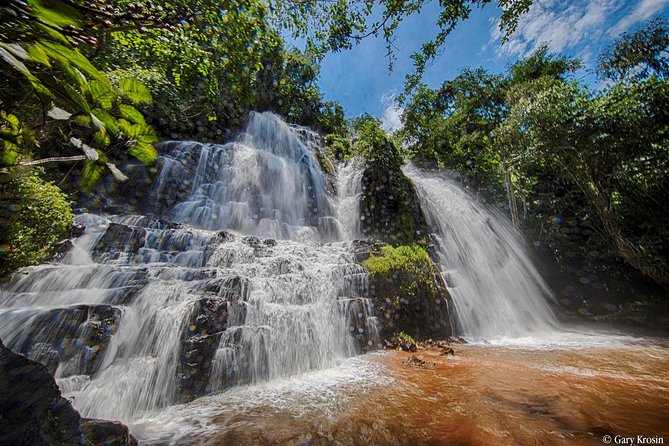
- Karera Waterfalls – Scenic cascades surrounded by lush greenery.
- Mount Heha – The highest peak with panoramic views.
Adventure Activities
- Hiking – In the highlands and up Mount Heha.
- Wildlife Safaris – Rusizi and Kibira National Parks.
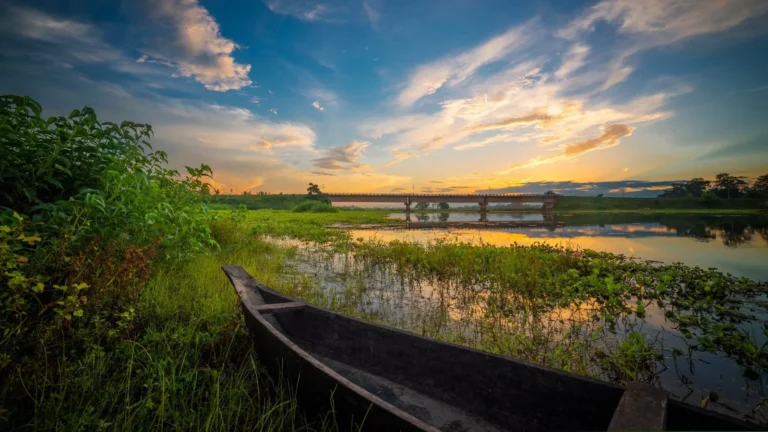
- Canoeing & Boat Rides – On Lake Tanganyika.
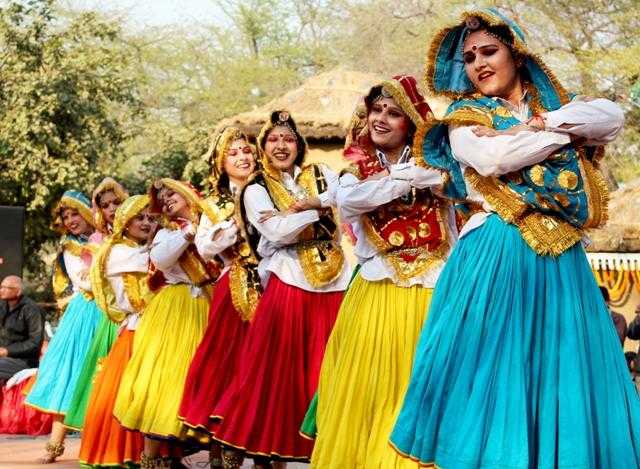
- Cultural Tours – Traditional drumming and village visits.
- Birdwatching – Wetlands and forest areas are rich in species.
How to Reach
- By Air: Direct flights from Nairobi, Addis Ababa, Kigali, and other regional cities.
- By Land: Road access from Tanzania, Rwanda, and the Democratic Republic of the Congo.
Ideal Trip Duration
- 4–6 days to explore both nature and cultural highlights.
Final Thoughts
Burundi is a hidden gem where tranquil lakes meet green highlands, and traditions run deep. It’s a place for travelers who want to connect with nature and culture away from the mainstream tourist trail.