Gaza Strip
Gaza Strip – A Region of History and Resilience
The Gaza Strip is a small, densely populated Palestinian territory on the eastern coast of the Mediterranean Sea. It holds deep historical and cultural significance but faces complex political and humanitarian challenges.
Altitude
- Mostly flat coastal plain at sea level to a few meters above.
Distance from Airport / Railway Station
- Gaza currently has no operational airport or railway service due to restrictions.
- The nearest international airports are in neighboring countries (e.g., Ben Gurion Airport in Israel, or airports in Egypt and Jordan).
Best Time to Visit
- March to May and September to November offer mild weather conditions.
- Travel is highly restricted, and tourism infrastructure is very limited.
Top Attractions
- Ancient Gaza City – Rich archaeological sites dating back millennia.
- Great Omari Mosque – One of the oldest mosques in Gaza.
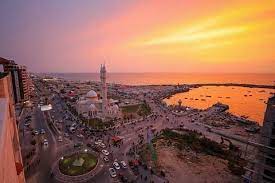
- Mediterranean Beaches – Despite restrictions, Gaza has coastal access.
- Refugee Camps and Cultural Centers – Offering insights into Palestinian history and culture.
Adventure Activities
- Due to political and security conditions, adventure tourism is virtually nonexistent.
- Visits are typically humanitarian or journalistic rather than recreational.
How to Reach
- Entry to Gaza is controlled primarily through border crossings with Israel and Egypt, both of which have strict limitations.
- Most travelers cannot freely enter for tourism purposes.
Ideal Trip Duration
- Travel for tourism is generally not feasible; visits are usually short-term for specific purposes.
Final Thoughts
The Gaza Strip is a region marked by resilience and a rich cultural heritage, but ongoing conflict and restrictions make it inaccessible for typical tourism. Visitors interested in Gaza usually engage through academic, humanitarian, or diplomatic channels.