Sao Tome and Principe
São Tomé and Príncipe – Africa’s Hidden Island Paradise
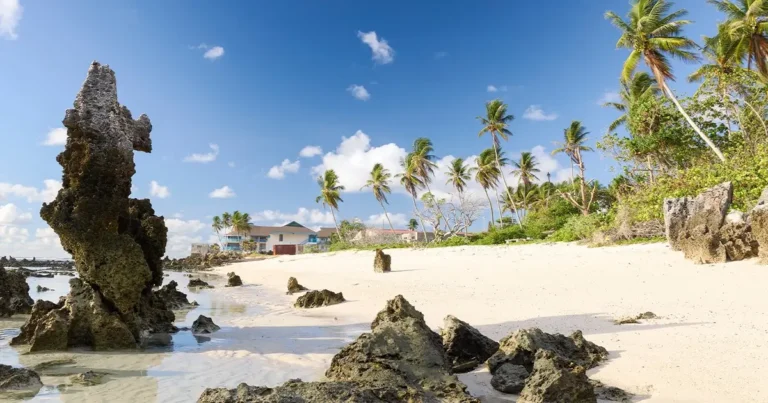
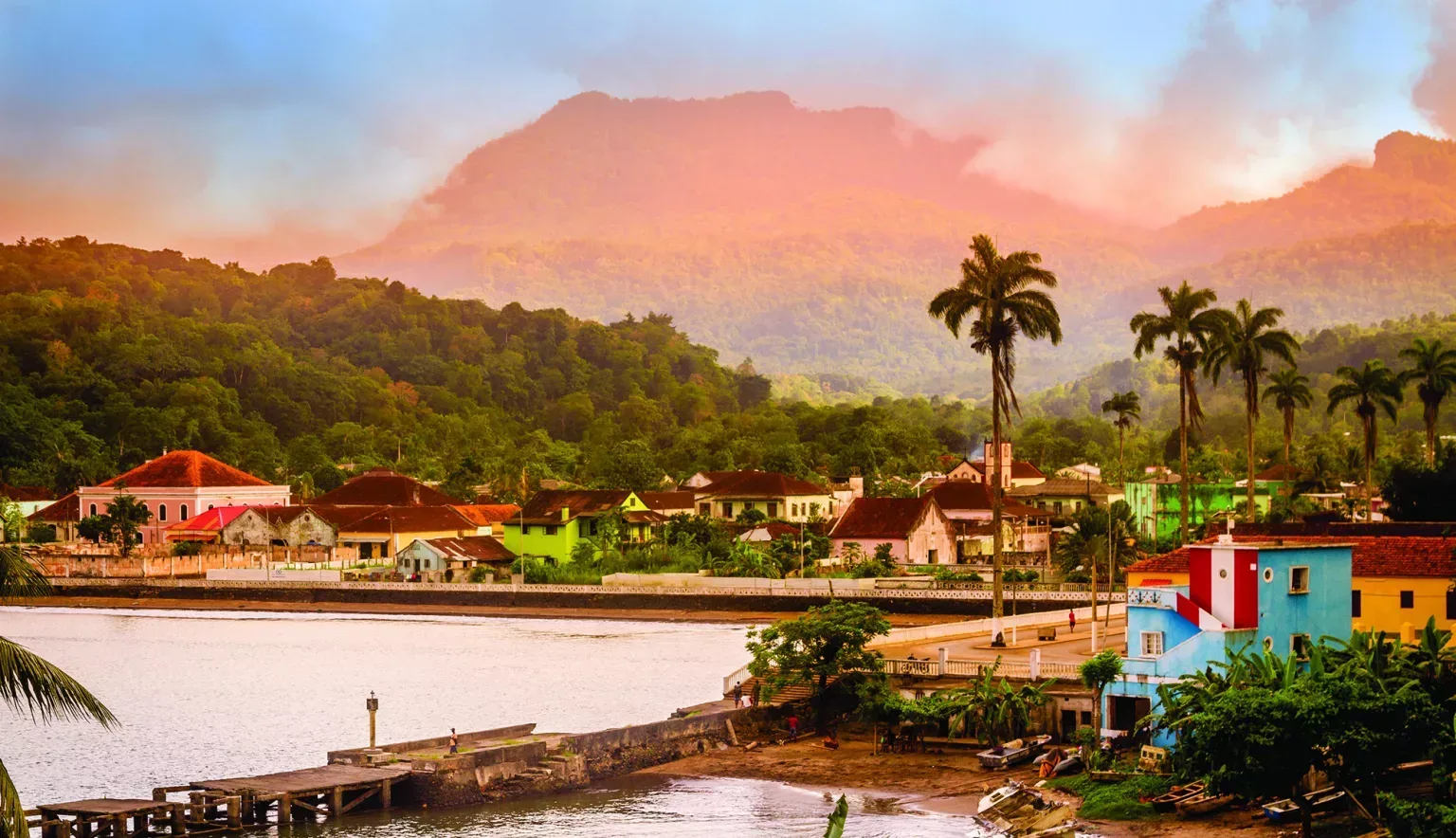
São Tomé and Príncipe, a tiny two-island nation in the Gulf of Guinea, is a tropical paradise that feels untouched by time. With lush rainforests, volcanic peaks, cocoa plantations, and golden beaches where turtles nest, this is a dream escape for nature lovers. The islands’ Portuguese colonial charm, Creole culture, and warm hospitality make it an undiscovered gem for travelers seeking serenity and authenticity.
Altitude
- Highest Point: Pico de São Tomé – 2,024 m
- São Tomé (Capital): ~7 m above sea level
Distance from Airport / Port
- São Tomé International Airport (TMS) to City Center: ~5 km (10 mins by car)
- Port of São Tomé to City Center: ~2 km (5 mins by car)
Best Time to Visit
- June – September and December – February: Drier months, perfect for beach and outdoor activities.
Top Attractions
- Pico Cão Grande: A dramatic volcanic plug rising from the rainforest.
- Obo National Park: Dense jungle with rare bird species and waterfalls.
- Roça Agostinho Neto: Historic cocoa plantation with colonial architecture.
- Ilhéu das Rolas: A small island that straddles the equator.
- Praia Jalé & Praia Piscina: Secluded beaches with nesting sea turtles.
Adventure & Experiences
- Hike through rainforest trails to hidden waterfalls.
- Snorkel or dive in crystal-clear waters teeming with marine life.
- Visit cocoa and coffee plantations to taste world-class produce.
- Cross the equator line at Ilhéu das Rolas.
- Explore fishing villages for fresh seafood and local flavors.
How to Reach
- By Air: Flights to São Tomé International Airport (TMS) from Lisbon, Angola, and nearby African hubs.
- By Sea: Limited ferry services between São Tomé and Príncipe; cargo and fishing boats also operate.
Ideal Trip Duration
6–10 days to enjoy both islands and their pristine natural beauty.
Final Tip: São Tomé and Príncipe is still under the radar, so expect peaceful beaches and friendly locals—but plan ahead as tourism infrastructure is limited.