Christmas Island
Christmas Island – Australia’s Tropical Wildlife Haven
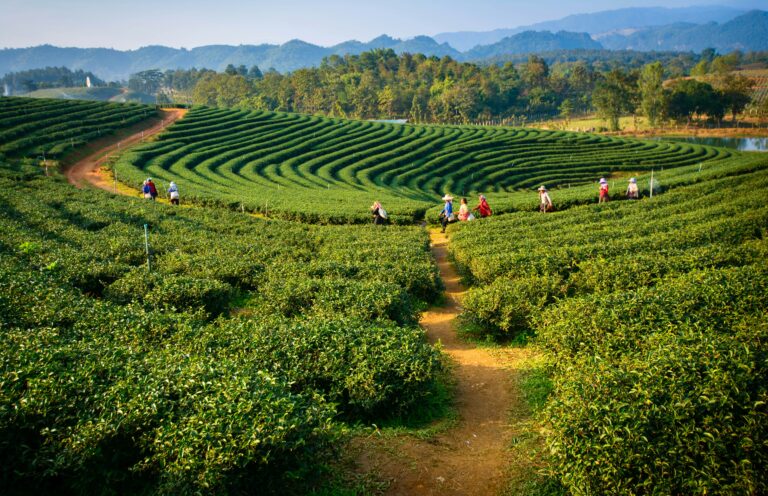
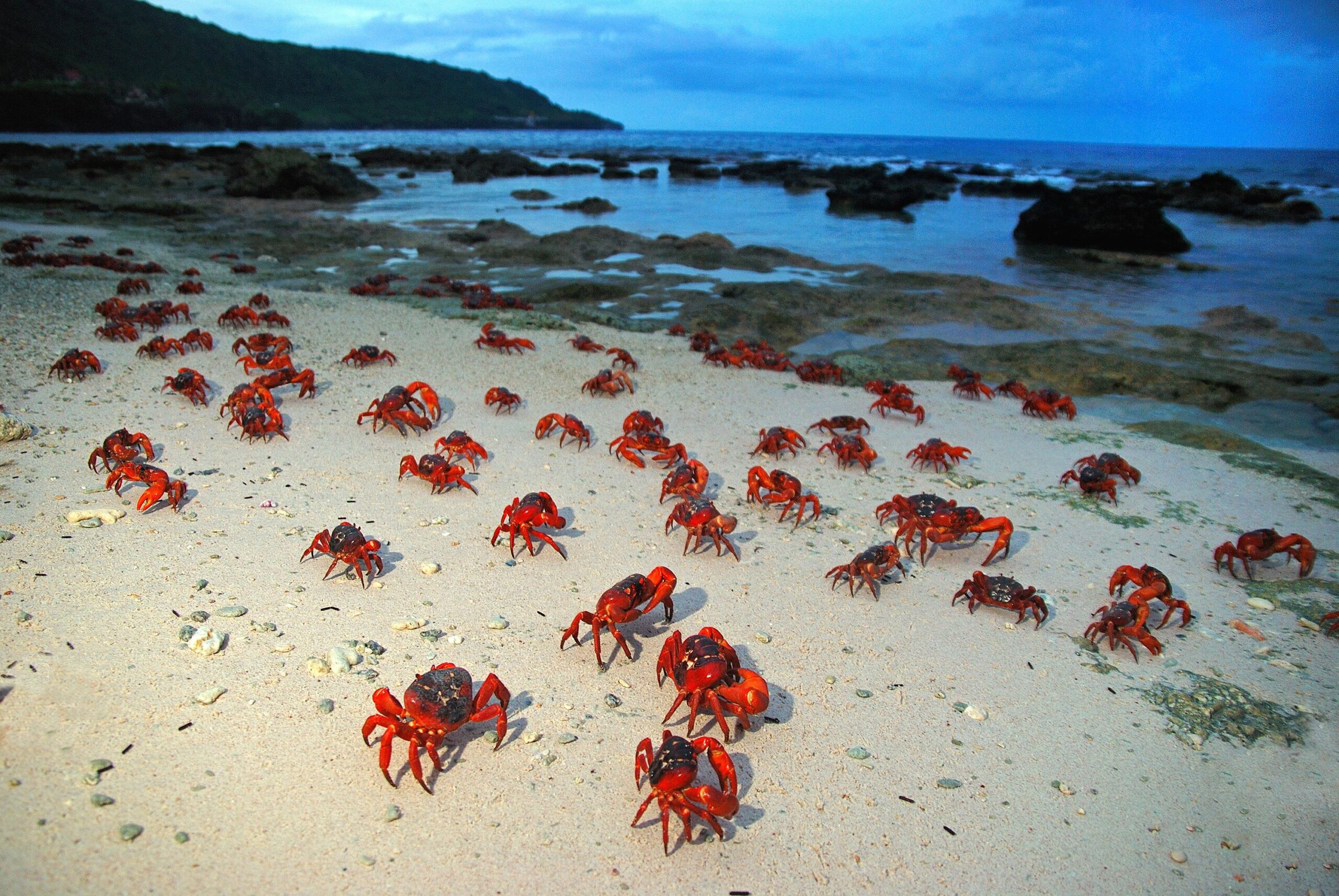
Christmas Island, an Australian territory in the Indian Ocean, is a paradise of lush rainforests, dramatic cliffs, and turquoise waters. Famous for its annual red crab migration, it’s a hidden gem for nature lovers and scuba diving enthusiasts.
Altitude
- Sea level to about 361 meters (1,184 ft) at Murray Hill, the island’s highest point.
Distance from Airport / Railway Station
- Main Airport:
- Christmas Island International Airport (XCH) – ~5 km (10 min) from Flying Fish Cove, the main settlement.
- No railway; travel is by road around the island.
Best Time to Visit
- May to October – Dry season with calm seas, ideal for diving and outdoor activities.
- November to April – Wet season with the famous red crab migration (peaks in Nov–Dec).
Top Attractions
- Flying Fish Cove – Main harbor, snorkeling, and diving spot.
- Christmas Island National Park – Covers most of the island, home to unique flora and fauna.
- The Blowholes – Natural sea sprays from coastal cliffs.
- Dolly Beach – Secluded beach, turtle nesting site.
- Hugh’s Dale Waterfall – Lush rainforest waterfall, great for hiking.
Adventure Activities
- Scuba Diving & Snorkeling – Coral reefs, underwater caves, and whale shark sightings.
- Wildlife Watching – Red crab migration, bird watching, and rare marine life.
- Hiking – Through rainforests and coastal cliffs.
- Caving – Explore limestone caves.
- Fishing – Deep-sea and reef fishing.
How to Reach
- By Air: Flights from Perth (Australia) and the Cocos (Keeling) Islands.
- By Sea: Occasional cruise and cargo ships (not regular passenger service).
Ideal Trip Duration
- 4–7 days to fully enjoy the island’s nature, diving spots, and unique wildlife events.
Final Thoughts
Christmas Island is a dream destination for those seeking untouched nature and rare wildlife spectacles. From the famous red crab migration to pristine coral reefs, it’s a true tropical escape far from the crowds.