South Sudan
South Sudan – Africa’s Newest Nation with Untouched Wilderness
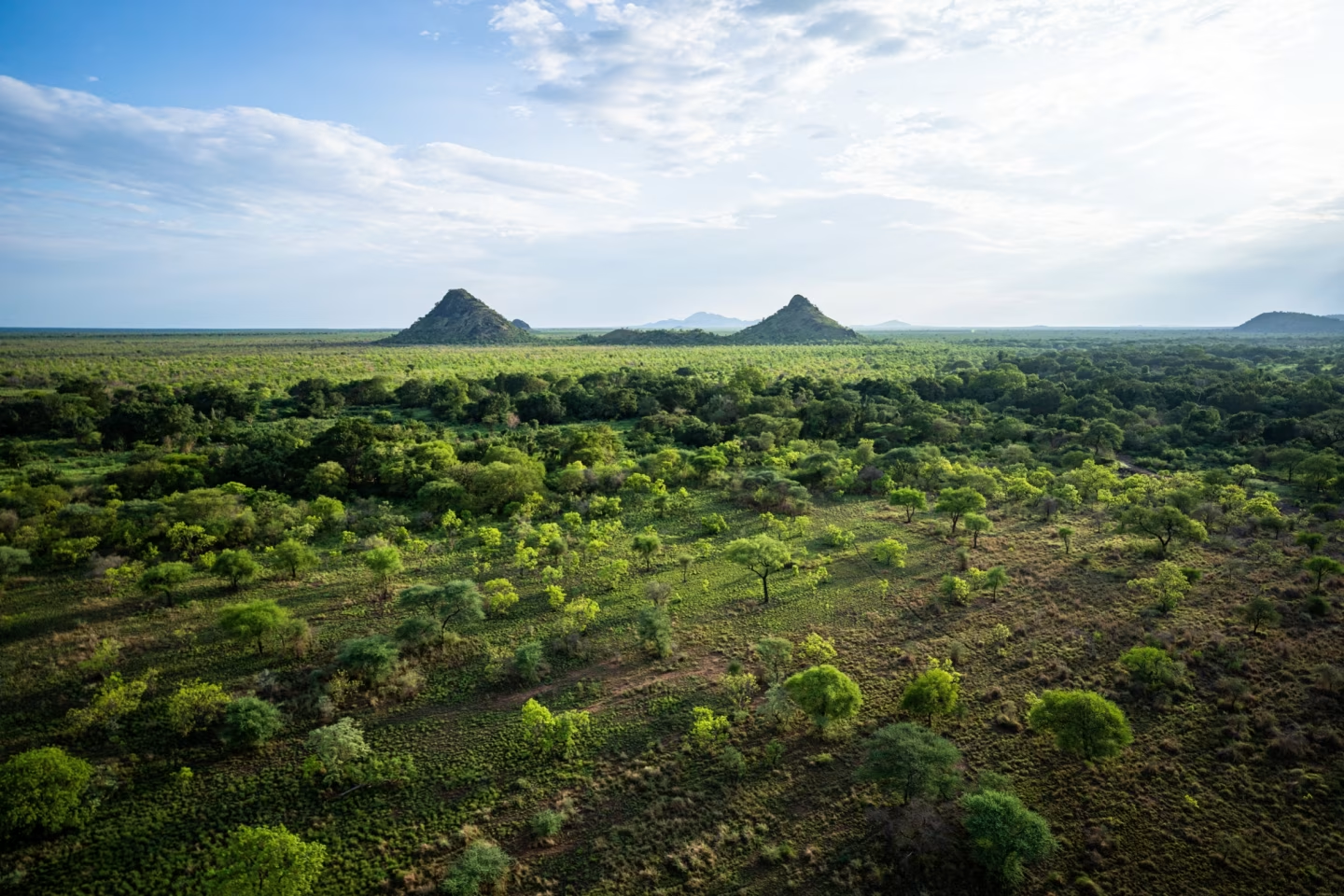
South Sudan, the world’s youngest country (independent since 2011), is a land of vast savannahs, wildlife-rich wetlands, and rich tribal traditions. Still largely unexplored by mainstream tourism, it offers raw, authentic travel experiences for those seeking true adventure. From the mighty White Nile to the traditional cattle camps of the Dinka people, South Sudan is a destination where culture and nature remain in their purest forms.
Altitude
Ranges from low-lying swamps to mountain peaks such as Imatong Mountains (3,187 m).
Distance from Airport / Railway Station
- Juba International Airport (JUB): Located within the capital city, Juba.
- No functioning railway network for passenger services.
Best Time to Visit
December – March when the weather is drier and more accessible for travel.
Top Attractions
- Boma National Park: Home to one of the world’s largest wildlife migrations.
- Bandingilo National Park: Rich in antelope and bird species.
- Nimule National Park: On the Uganda border, offering river safaris on the Nile.
- Imatong Mountains: Trekking and cultural encounters with local tribes.
- Juba: Vibrant markets and cultural experiences in the capital.
Adventure Activities
- Wildlife safaris in remote national parks.
- River boating on the White Nile.
- Hiking in mountain regions.
- Cultural immersion with traditional tribes.
How to Reach
- By Air: Juba International Airport has flights from Nairobi, Addis Ababa, Entebbe, and Khartoum.
- By Land: Road access from Uganda, Kenya, and Ethiopia, though travel can be challenging.
Ideal Trip Duration
7–10 days for a wildlife and cultural expedition.
Final Tip: South Sudan is for seasoned travelers—plan with local guides, be prepared for basic facilities, and you’ll witness one of Africa’s last great frontiers.